ABOUT THE PAINTING
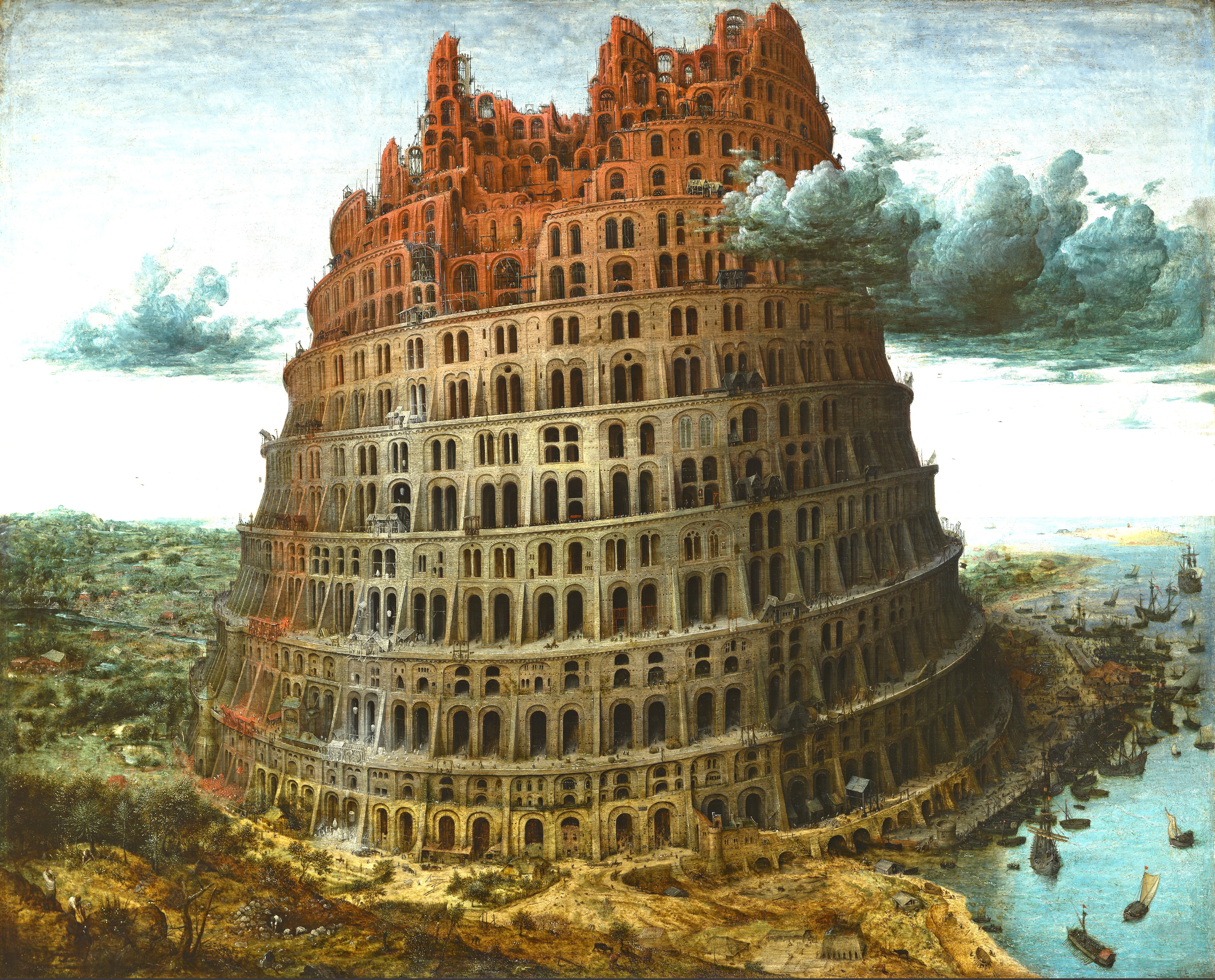
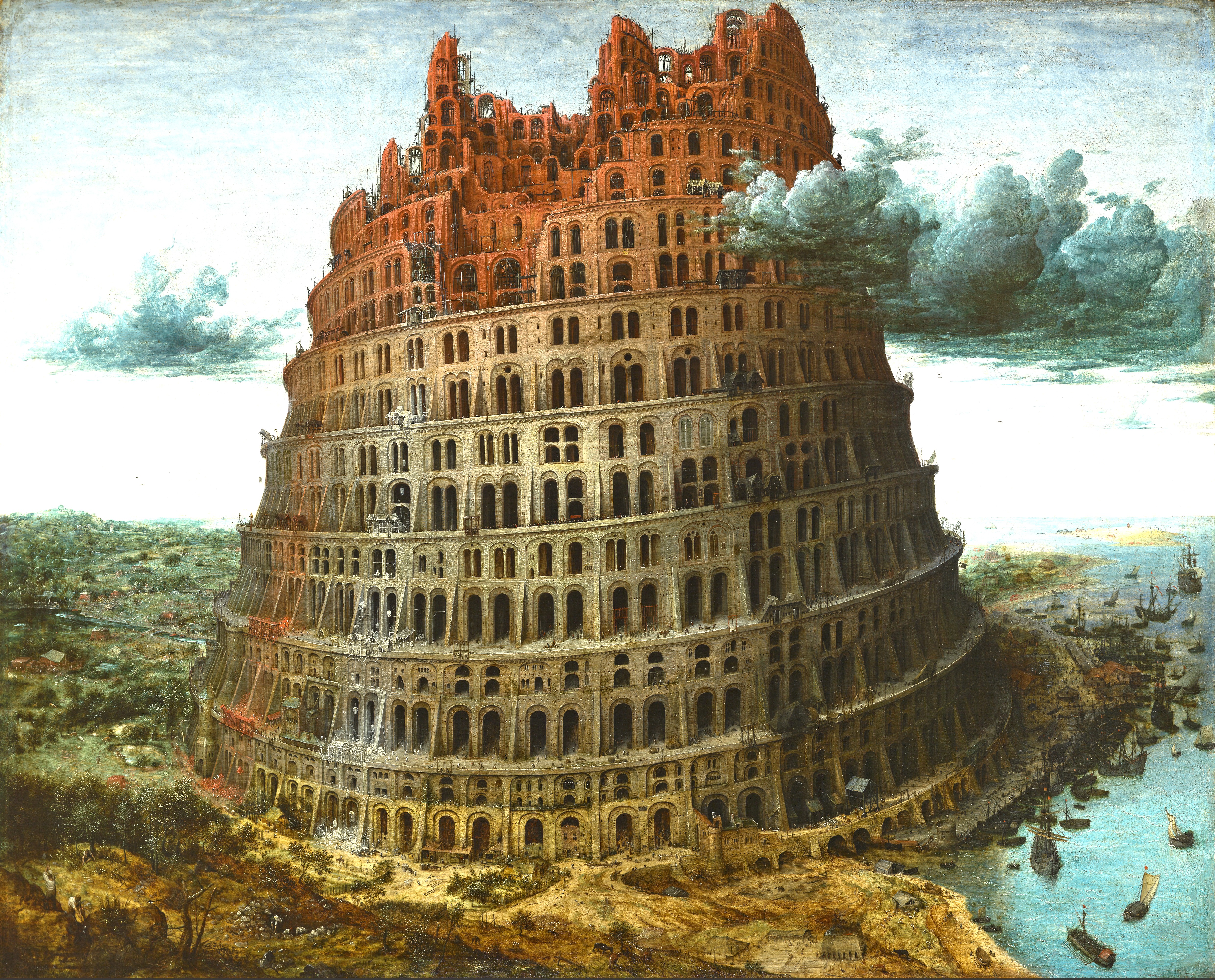
Pieter Bruegel The Elder 1563 Tower of Babel (Smaller or RotterdamVersion) Oil on wood 60 × 74,5 cm Credits: Collection Museum Boijmans Van Beuningen, Rotterdam. Acquired with the collection of D.G. van Beuningen / Photography: Studio Tromp The Tower of Babel by Pieter Bruegel the Elder is one of his most famous works. Two versions of the painting have survived: the larger one housed in the Kunsthistorisches Museum Vienna (1563), and a smaller version in the Museum Boijmans Van Beuningen. Both depict the biblical story of the Tower of Babel, in which humanity, driven by pride, attempted to build a tower reaching the heavens, only to be divided by God through the creation of different languages. However, Bruegel focuses less on divine punishment and more on the immense construction process itself. The tower strongly resembles the Roman Colosseum and symbolizes human hubris, transience, and the collapse of worldly power. For people in his time, Babel also reflected the religious tensions between the Catholic Church and the emerging Protestant Reformation. At first glance, the architecture appears stable, but it is in fact fundamentally flawed: the levels are uneven, some arches are already collapsing, and the lower sections remain unfinished while construction continues at the top. This visual contradiction highlights the fragility and futility of human ambition. At the same time, Bruegel impresses with extraordinary detail in his depiction of workers, engineers, and construction techniques. The painting is regarded as one of the most important artworks in art history.